Information Governance
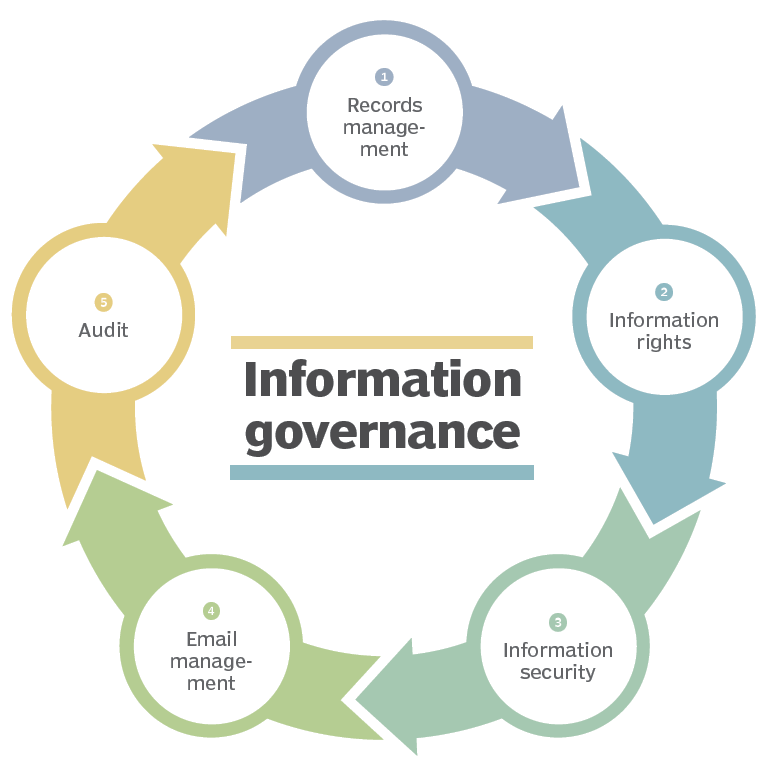
Information Governance (IG) is the framework for how information is managed, protected, and used to support organizational goals. It reduces risks, ensures compliance, and aligns data practices with business strategy.
At its core, IG defines accountability—who owns, manages, and makes decisions about information assets. Effective governance ensures that data resources and investments directly contribute to business objectives. In healthcare and other regulated industries, IG must be led by executive leadership at the enterprise level, not just sponsored.
A strong IG program identifies risks, closes gaps, and establishes proactive policies, procedures, and tools. It enables organizations to adapt to evolving business models, new service delivery channels, and changes in information access, while maintaining security and compliance.
The Value of Good Governance
Good governance ensures smooth coordination between organizations, partners, and customers. It allows for seamless service delivery, even when multiple providers are involved. Equally important, IG sustains best practices over time—ensuring policies, procedures, and records management tools evolve with changing business needs.
In short, information governance is good management applied to information. It’s about ensuring data is accurate, secure, accessible, and used effectively to achieve long-term success.